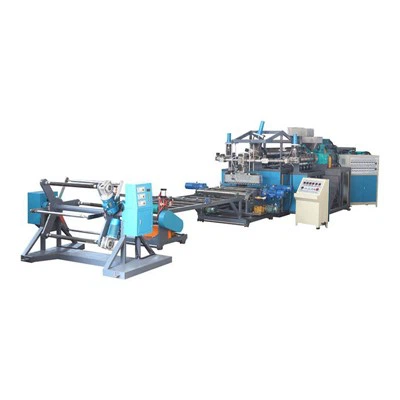
Can Abs Sheet Extruders produce sheets with different surface textures?
As a seasoned supplier of Abs Sheet Extruders, I've witnessed firsthand the diverse requirements and curiosities of our clients. One frequently asked question is whether our Abs Sheet Extruders can produce sheets with different surface textures. The answer is a resounding yes, and in this blog, I'll delve into the details of how this is possible and the various surface textures that can be achieved.
Understanding ABS Sheet Extrusion
Before we explore surface textures, it's essential to have a basic understanding of the ABS sheet extrusion process. ABS, or Acrylonitrile Butadiene Styrene, is a thermoplastic polymer known for its durability, impact resistance, and versatility. The extrusion process involves melting the ABS resin and forcing it through a die to create a continuous sheet of the desired thickness.
Our state - of - the - art Abs Sheet Extruders are designed to handle this process with precision and efficiency. They consist of a hopper where the ABS resin pellets are fed, a screw extruder that melts and conveys the molten plastic, a die that shapes the sheet, and a series of rollers that cool and calibrate the sheet.
Achieving Different Surface Textures
There are several ways in which our Abs Sheet Extruders can produce sheets with different surface textures.
1. Roller Texturing
One of the most common methods is through roller texturing. The extrusion line is equipped with textured rollers that come into contact with the newly formed ABS sheet while it is still in a semi - molten state. As the sheet passes between these rollers, the texture on the roller surface is imprinted onto the sheet.
The textured rollers can have a wide range of patterns, such as matte, glossy, leather - like, wood - grain, or even custom - designed patterns. For example, a matte finish can be achieved using rollers with a fine, non - reflective surface. This type of finish is often preferred in applications where glare needs to be minimized, such as in automotive interiors or electronic device casings.
On the other hand, a glossy finish can be created with highly polished rollers. Glossy ABS sheets are commonly used in applications where aesthetics and a high - end look are important, like in display cases or consumer product packaging.
2. Chemical Texturing
Chemical texturing is another technique that can be used to modify the surface texture of ABS sheets. After the extrusion process, the sheets can be treated with specific chemicals that react with the surface of the ABS. This reaction can etch or create a rough surface, depending on the type of chemical and the treatment process.
Chemical texturing can be used to achieve a more random and natural - looking texture. It is often used in applications where a textured surface is required for grip or to mimic the appearance of natural materials like stone or brick.
3. Additive - based Texturing
We can also incorporate additives into the ABS resin during the extrusion process to create different surface textures. For example, adding glass beads or other fine particles to the resin can create a rough or pebbled surface. These additives can change the surface properties of the ABS sheet, providing unique tactile and visual effects.
Additive - based texturing is flexible and can be adjusted according to the desired texture and the specific requirements of the application. It offers a cost - effective way to produce sheets with unique surface characteristics.
Applications of ABS Sheets with Different Surface Textures
The ability to produce ABS sheets with different surface textures opens up a wide range of applications.
1. Automotive Industry
In the automotive industry, ABS sheets with different surface textures are used extensively. Leather - like textured sheets can be used for seat covers, armrests, and interior trim panels, providing a luxurious and comfortable feel. Matte - finished ABS sheets are ideal for dashboard components, as they reduce glare and improve the driver's visibility.
2. Consumer Goods
For consumer goods, glossy ABS sheets are often used in the packaging of high - end products, such as cosmetics, electronics, and jewelry. The shiny surface enhances the visual appeal of the product and makes it more attractive to consumers. Custom - textured ABS sheets can also be used in the casings of electronic devices, not only for aesthetic purposes but also to provide better grip.
3. Construction
In the construction sector, ABS sheets with wood - grain or stone - like textures can be used for wall panels, ceilings, and decorative elements. These textured sheets can mimic the look of natural materials at a lower cost and with better durability. They are also easy to install and maintain.
Comparison with Other Sheet Extrusion Machines
While our Abs Sheet Extruders are highly capable of producing sheets with different surface textures, it's worth comparing them with other types of sheet extrusion machines, such as the Pp Sheet Extrusion Machine, Ps Foam Sheet Extruder Machine, and Cup Lid Sheet Material Machine.
The PP Sheet Extrusion Machine is used to produce polypropylene sheets. PP has different properties compared to ABS, such as lower density and better chemical resistance. However, achieving certain complex surface textures on PP sheets may be more challenging than on ABS sheets due to the polymer's characteristics.
The Ps Foam Sheet Extruder Machine is designed to produce polystyrene foam sheets. These sheets have a unique cellular structure, which is mainly used for insulation and packaging purposes. Surface texturing of foam sheets is more focused on enhancing their functionality rather than aesthetics.
The Cup Lid Sheet Material Machine is specialized in producing sheets for cup lids. The requirements for these sheets are mainly related to their sealing properties and food - safety standards. Surface texture is a secondary consideration in this case.
Quality Control and Assurance
As a supplier, we understand the importance of quality control when it comes to producing ABS sheets with different surface textures. We have a comprehensive quality control system in place.
Before the production process, we conduct thorough checks on the raw materials to ensure they meet our high - quality standards. During the extrusion process, we monitor the temperature, pressure, and other parameters to ensure consistent sheet formation. After the texturing process, we inspect each sheet for any defects, such as uneven texture, scratches, or color variations.
We also follow strict ISO and other international quality standards to ensure that our products are reliable and meet the expectations of our clients.
Conclusion
In conclusion, our Abs Sheet Extruders are fully capable of producing sheets with different surface textures. Whether it's through roller texturing, chemical texturing, or additive - based texturing, we can customize the surface of the ABS sheets to meet the specific needs of various applications.
If you're in the market for high - quality ABS sheets with unique surface textures or have any questions about our Abs Sheet Extruders, we invite you to contact us for a detailed discussion. We're committed to providing you with the best solutions and products to help you achieve your business goals.


References
- Industry Handbook on Thermoplastic Extrusion
- Journal of Polymer Science: Part B: Polymer Physics
- Proceedings of the International Conference on Extrusion Technology