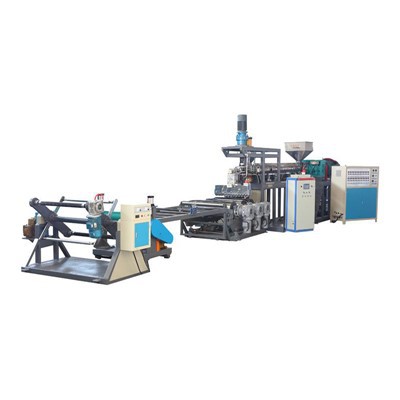
In the highly competitive plastics manufacturing industry, enhancing the production efficiency of ABS sheet extruders is crucial for businesses aiming to stay ahead. As a trusted supplier of Abs Sheet Extruders, I understand the challenges and opportunities that come with maximizing the performance of these machines. In this blog, I'll share some actionable strategies and insights based on my years of experience in the field.
1. Equipment Optimization
The first step in improving production efficiency is to ensure that your ABS sheet extruders are in optimal condition. Regular maintenance and calibration are essential. This includes checking and replacing worn-out parts such as screws, barrels, and heaters. A well-maintained machine not only reduces the risk of breakdowns but also operates more smoothly, leading to higher output.
Investing in the latest technology can also significantly boost efficiency. Newer models of Abs Sheet Extruders often come with advanced features such as improved screw designs, better temperature control systems, and enhanced automation. These features can help increase throughput, reduce waste, and improve the quality of the final product.
2. Raw Material Management
The quality and consistency of the raw materials used in ABS sheet extrusion play a critical role in production efficiency. Using high - quality ABS resin is essential, as it can reduce the likelihood of defects and improve the overall performance of the extruder. It's important to source raw materials from reliable suppliers and conduct regular quality checks.
Proper storage of raw materials is also crucial. ABS resin should be stored in a dry and cool environment to prevent moisture absorption, which can lead to processing problems. Additionally, effective inventory management can help ensure a continuous supply of raw materials, reducing downtime due to material shortages.
3. Process Optimization
Optimizing the extrusion process is key to improving production efficiency. This involves fine - tuning parameters such as temperature, pressure, and screw speed. Each ABS formulation may require different processing conditions, so it's important to conduct thorough testing to find the optimal settings.
For example, adjusting the temperature profile along the extruder barrel can have a significant impact on the melt flow and the quality of the extruded sheet. A well - optimized temperature profile can reduce energy consumption and improve the physical properties of the sheet.
Another aspect of process optimization is reducing the cycle time. This can be achieved by minimizing the time it takes to change over between different production runs, such as by using quick - change tooling systems. Additionally, streamlining the downstream processes, such as cooling and cutting, can also contribute to overall efficiency.
4. Operator Training
Well - trained operators are essential for the efficient operation of ABS sheet extruders. Operators should have a deep understanding of the machine's functions, safety procedures, and process parameters. Regular training programs can help operators stay updated on the latest techniques and best practices.
Training should cover topics such as machine setup, troubleshooting, and quality control. By empowering operators with the necessary knowledge and skills, they can make informed decisions during the production process, leading to improved efficiency and reduced waste.


5. Quality Control
Implementing a robust quality control system is vital for ensuring that the extruded ABS sheets meet the required standards. This includes conducting regular inspections at various stages of the production process, from raw material inspection to final product testing.
Quality control measures can help identify and address issues early on, preventing the production of defective products. By reducing the amount of scrap and rework, quality control can significantly improve production efficiency.
6. Automation and Integration
Automation can play a significant role in improving the production efficiency of ABS sheet extruders. Automated systems can perform tasks such as feeding, metering, and quality control with high precision and consistency. This not only reduces the need for manual labor but also minimizes the risk of human error.
Integrating the extruder with other equipment in the production line, such as Cast Film Machine or Plastic Sheet Extrusion Line, can also streamline the overall production process. By creating a seamless workflow, the entire production line can operate more efficiently, leading to increased output and reduced costs.
7. Energy Efficiency
Energy consumption is a significant cost factor in ABS sheet extrusion. Implementing energy - saving measures can not only reduce operating costs but also contribute to environmental sustainability. This can include using energy - efficient motors, optimizing the heating and cooling systems, and implementing energy management systems.
For example, using variable frequency drives (VFDs) on motors can help adjust the motor speed according to the actual load, reducing energy consumption. Additionally, improving the insulation of the extruder barrel can minimize heat loss, further reducing energy requirements.
8. Continuous Improvement
Finally, a culture of continuous improvement is essential for long - term success. Regularly reviewing and analyzing production data can help identify areas for improvement. This can involve tracking key performance indicators (KPIs) such as production output, waste rate, and energy consumption.
Based on the analysis, implement changes and monitor the results. By continuously seeking ways to optimize the production process, you can stay competitive in the market and achieve higher levels of efficiency.
In conclusion, improving the production efficiency of ABS sheet extruders requires a comprehensive approach that encompasses equipment optimization, raw material management, process optimization, operator training, quality control, automation, energy efficiency, and continuous improvement. As a supplier of Abs Sheet Extruders, I am committed to helping our customers achieve these goals. If you are interested in learning more about how our products can improve your production efficiency, or if you have any questions regarding ABS sheet extrusion, please feel free to contact us for further discussion and potential procurement.
References
- Smith, J. (2020). Plastics Extrusion Technology. Wiley.
- Jones, A. (2019). Advanced Polymer Processing. Elsevier.
- Brown, C. (2018). Quality Control in Plastics Manufacturing. Taylor & Francis.