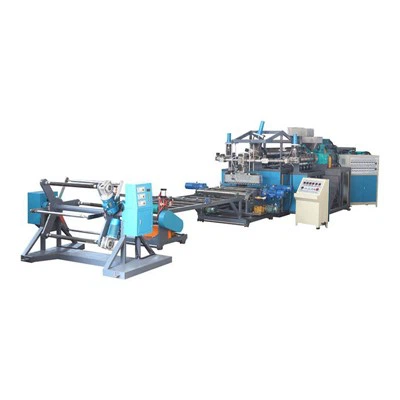
In the manufacturing industry, molding machines play a pivotal role in shaping various products. As a molding machine supplier, I often encounter clients who are confused about the differences between injection molding and compression molding machines. In this blog post, I will delve into the details of these two types of machines, highlighting their unique features, applications, and advantages.
Understanding Injection Molding Machines
Injection molding is a widely used manufacturing process that involves injecting molten material, typically plastic, into a mold cavity. The injection molding machine consists of a hopper, a heating barrel, a screw or plunger, and a mold. The raw material is fed into the hopper and then conveyed to the heating barrel, where it is melted. The screw or plunger then pushes the molten material into the mold cavity under high pressure. Once the material cools and solidifies, the mold opens, and the finished product is ejected.
One of the key advantages of injection molding machines is their ability to produce complex and intricate parts with high precision. The high pressure used in the injection process ensures that the molten material fills every corner of the mold cavity, resulting in parts with excellent dimensional accuracy. Additionally, injection molding machines can produce parts at a high production rate, making them ideal for large-scale manufacturing.
Another advantage of injection molding machines is their versatility. They can process a wide range of materials, including thermoplastics, thermosetting plastics, elastomers, and metals. This makes them suitable for a variety of industries, such as automotive, electronics, medical, and consumer goods.
For example, the Milk Tea Cup Injection Molding Machine is specifically designed to produce milk tea cups with high efficiency and quality. It can produce cups of different sizes and shapes, meeting the diverse needs of the market.
Understanding Compression Molding Machines
Compression molding is a manufacturing process that involves placing a pre-measured amount of material, typically a thermosetting plastic or rubber, into a heated mold cavity. The mold is then closed, and pressure is applied to compress the material and force it to fill the mold cavity. The material is then cured under heat and pressure, resulting in a solid and durable part.
One of the main advantages of compression molding machines is their ability to produce large and thick parts. The compression process allows for the use of a higher volume of material, making it suitable for the production of parts such as automotive body panels, electrical insulators, and industrial components.
Another advantage of compression molding machines is their cost-effectiveness. The tooling costs for compression molding are generally lower than those for injection molding, making it a more affordable option for small to medium-scale production. Additionally, compression molding machines can use recycled materials, reducing the environmental impact of the manufacturing process.
The Plastic Bowl Thermoforming Machine is an example of a compression molding machine that is used to produce plastic bowls. It can produce bowls of different sizes and shapes, with smooth surfaces and excellent mechanical properties.
Key Differences Between Injection Molding and Compression Molding Machines
- Material Type: Injection molding machines are primarily used for thermoplastics, which can be melted and re-melted multiple times. Compression molding machines, on the other hand, are mainly used for thermosetting plastics and rubber, which undergo a chemical reaction during the molding process and cannot be re-melted.
- Molding Process: In injection molding, the molten material is injected into the mold cavity under high pressure. In compression molding, the material is placed in the mold cavity and then compressed under pressure.
- Part Complexity: Injection molding machines are better suited for producing complex and intricate parts with high precision. Compression molding machines are more suitable for producing large and thick parts with simple geometries.
- Production Rate: Injection molding machines can produce parts at a higher production rate than compression molding machines, making them ideal for large-scale manufacturing.
- Tooling Costs: The tooling costs for injection molding machines are generally higher than those for compression molding machines, especially for complex parts.
- Material Waste: Injection molding machines tend to produce more material waste than compression molding machines, as the excess material is typically removed during the molding process.
Applications of Injection Molding and Compression Molding Machines
Both injection molding and compression molding machines have a wide range of applications in various industries.
Injection Molding Applications:
- Automotive Industry: Injection molding is used to produce a variety of automotive parts, such as dashboards, bumpers, door panels, and interior trim.
- Electronics Industry: Injection molding is used to produce electronic enclosures, connectors, switches, and other components.
- Medical Industry: Injection molding is used to produce medical devices, such as syringes, catheters, and surgical instruments.
- Consumer Goods Industry: Injection molding is used to produce a wide range of consumer goods, such as toys, household appliances, and packaging materials.
Compression Molding Applications:
- Automotive Industry: Compression molding is used to produce large and thick automotive parts, such as body panels, engine covers, and brake pads.
- Electrical Industry: Compression molding is used to produce electrical insulators, switchgear components, and circuit breakers.
- Aerospace Industry: Compression molding is used to produce aerospace components, such as wingtips, fairings, and interior panels.
- Industrial Goods Industry: Compression molding is used to produce industrial components, such as gears, bearings, and bushings.
Choosing the Right Molding Machine for Your Application
When choosing between an injection molding machine and a compression molding machine, several factors need to be considered, including the part design, material type, production volume, and budget.
If you need to produce complex and intricate parts with high precision, an injection molding machine may be the best choice. Injection molding machines are also suitable for large-scale production, as they can produce parts at a high production rate.


On the other hand, if you need to produce large and thick parts with simple geometries, a compression molding machine may be more appropriate. Compression molding machines are also more cost-effective for small to medium-scale production, as the tooling costs are generally lower.
It is also important to consider the material type. Injection molding machines are primarily used for thermoplastics, while compression molding machines are mainly used for thermosetting plastics and rubber.
Conclusion
In conclusion, injection molding and compression molding machines are two important types of molding machines that are widely used in the manufacturing industry. Each type of machine has its own unique features, advantages, and applications. As a molding machine supplier, I can help you choose the right machine for your specific needs. Whether you need a Milk Tea Cup Injection Molding Machine, a Plastic Bowl Thermoforming Machine, or a Cup Maker, I have the expertise and experience to provide you with the best solution.
If you are interested in learning more about our molding machines or have any questions about the injection molding or compression molding process, please feel free to contact us. We look forward to discussing your requirements and helping you find the perfect molding machine for your business.
References
- Groover, M. P. (2010). Fundamentals of Modern Manufacturing: Materials, Processes, and Systems. Wiley.
- Rosato, D. V., & Rosato, D. V. (2000). Injection Molding Handbook. Kluwer Academic Publishers.
- Strong, A. B. (2008). Plastics: Materials and Processing. Pearson Prentice Hall.