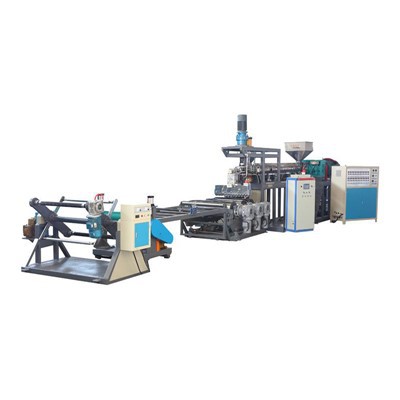
Hey there! As a supplier of Sheet Extrusion Lines, I've seen firsthand how important proper maintenance is for these machines. In this blog, I'll walk you through what maintenance is required for a sheet extrusion line, so you can keep your equipment running smoothly and efficiently.
1. Regular Cleaning
First off, regular cleaning is a must. The extrusion process involves melting and shaping plastic materials, which can leave residue on various parts of the machine. Over time, this residue can build up and cause problems like clogging, uneven extrusion, and reduced product quality.
- Barrel and Screw: The barrel and screw are the heart of the extrusion line. They need to be cleaned regularly to prevent material buildup. After each production run, it's a good idea to use a purging compound to clean the barrel and screw. This helps remove any leftover plastic and other contaminants. You can also disassemble the screw and clean it thoroughly with a brush and a suitable cleaning solvent.
- Die: The die is responsible for shaping the extruded sheet. It needs to be cleaned carefully to ensure a smooth and consistent sheet surface. Use a soft brush and a cleaning solution to remove any plastic residue from the die. Make sure to clean all the channels and openings to prevent blockages.
- Cooling Rollers: The cooling rollers help cool the extruded sheet and give it the desired thickness and surface finish. They should be cleaned regularly to remove any dirt, dust, or plastic debris. You can use a clean cloth and a mild cleaning agent to wipe the rollers.
2. Lubrication
Proper lubrication is essential for the smooth operation of a sheet extrusion line. It reduces friction between moving parts, prevents wear and tear, and extends the lifespan of the equipment.
- Gearboxes: The gearboxes in the extrusion line need to be lubricated regularly. Check the oil level and quality according to the manufacturer's recommendations. Replace the oil if it becomes dirty or contaminated.
- Bearings: Bearings are used in various parts of the machine, such as the screw, motor, and rollers. They need to be lubricated with the appropriate grease or oil. Follow the manufacturer's instructions for lubrication intervals and the type of lubricant to use.
- Chains and Belts: Chains and belts are used to transfer power in the extrusion line. They should be lubricated to reduce friction and prevent slippage. Use a suitable chain or belt lubricant and apply it according to the manufacturer's guidelines.
3. Inspection and Maintenance of Electrical Components
The electrical components of a sheet extrusion line play a crucial role in its operation. Regular inspection and maintenance of these components are necessary to ensure safety and reliability.
- Control Panel: The control panel is the brain of the extrusion line. It contains various electrical components, such as switches, relays, and controllers. Inspect the control panel regularly for any signs of damage, loose connections, or overheating. Clean the panel and replace any faulty components as needed.
- Motors: The motors in the extrusion line drive the screw, rollers, and other moving parts. Check the motor's performance, temperature, and vibration regularly. Make sure the motor is properly lubricated and the belts or couplings are in good condition.
- Sensors: Sensors are used to monitor various parameters in the extrusion process, such as temperature, pressure, and speed. Check the sensors regularly to ensure they are working correctly. Calibrate the sensors if necessary to maintain accurate readings.
4. Alignment and Calibration
Proper alignment and calibration of the sheet extrusion line are essential for producing high-quality sheets. Misaligned components can cause uneven extrusion, thickness variations, and other problems.
- Roller Alignment: The cooling rollers need to be properly aligned to ensure a uniform sheet thickness. Check the roller alignment regularly and make adjustments as needed. Use a straightedge or a laser alignment tool to ensure the rollers are parallel and level.
- Die Calibration: The die needs to be calibrated to produce sheets with the desired thickness and width. Use a thickness gauge and a width measuring device to check the sheet dimensions. Adjust the die settings if necessary to achieve the desired specifications.
- Screw Speed and Temperature Control: The screw speed and temperature have a significant impact on the extrusion process. Calibrate the screw speed and temperature controllers regularly to ensure accurate and consistent operation. Use a temperature sensor and a speedometer to monitor the parameters and make adjustments as needed.
5. Preventive Maintenance Schedule
To keep your sheet extrusion line in top condition, it's important to establish a preventive maintenance schedule. This schedule should include regular cleaning, lubrication, inspection, and calibration tasks.


- Daily Maintenance: Perform daily checks, such as cleaning the machine, checking the oil levels, and inspecting the electrical connections. This helps identify and address any minor issues before they become major problems.
- Weekly Maintenance: On a weekly basis, perform more in-depth maintenance tasks, such as lubricating the gearboxes and bearings, checking the roller alignment, and calibrating the sensors.
- Monthly Maintenance: Monthly maintenance may include tasks like cleaning the die, replacing the filters, and inspecting the electrical components in more detail.
- Annual Maintenance: Once a year, perform a comprehensive maintenance check of the entire extrusion line. This may involve disassembling and cleaning the machine, replacing worn-out parts, and performing a full calibration.
6. Training and Operator Awareness
Proper training of operators is crucial for the effective maintenance of a sheet extrusion line. Operators should be familiar with the machine's operation, maintenance procedures, and safety guidelines.
- Training Programs: Provide training programs for operators to ensure they have the necessary skills and knowledge to operate and maintain the extrusion line. These programs should cover topics such as machine operation, troubleshooting, and preventive maintenance.
- Operator Awareness: Encourage operators to be aware of the importance of maintenance and to report any issues or abnormalities immediately. This helps prevent problems from escalating and ensures the continuous operation of the machine.
Conclusion
Maintaining a sheet extrusion line is not a one-time task but an ongoing process. By following the maintenance tips outlined in this blog, you can keep your equipment running smoothly, reduce downtime, and produce high-quality sheets. If you're in the market for a Sheet Extrusion Line, Pp Sheet Extrusion Machine, or Single-layer Sheeting Machine, we're here to help. We offer a wide range of high-quality extrusion equipment and provide excellent after-sales service. If you have any questions or want to discuss your specific requirements, don't hesitate to get in touch. We look forward to working with you!
References
- Manufacturer's manuals and documentation for sheet extrusion lines.
- Industry best practices for extrusion line maintenance.