


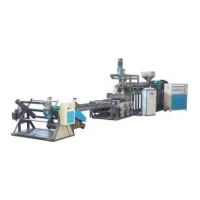


Ice Cream Cup Thermoforming Machine
The Ice Cream Cup Thermoforming Machine converts thermoplastic sheet into disposable ice cream cups through heating, forming, cutting, and cup handling. Applications include single-portion ice cream cups, mini dessert cups, and tasting cups. Machine configuration is matched to cup dimensions, material grade, sheet thickness, forming depth, mold layout, and target output. Custom configurations can be evaluated using a cup sample or technical drawing.
Key Production Advantages
Dimensional Consistency
Heating settings, mold geometry, and cutting position influence rim diameter, cup height, and base shape. These parameters are established against the required cup dimensions.
Wall Thickness Control
Material grade, sheet thickness, cup depth, and forming conditions affect wall distribution. Mold design and heating settings are assessed together for the intended cup geometry.
Coordinated Production
Sheet feeding, heating, forming, cutting, and stacking are arranged according to the selected configuration. The process layout supports continuous movement between forming and finished-cup handling.
Materials and Applications
Sheet Materials
PP, PS, and PET can be assessed according to material grade, forming temperature, sheet thickness, and finished-cup requirements. Compatibility must be confirmed for the selected machine and mold.
Cup Applications
Typical applications include disposable ice cream cups, mini ice cream containers, portion cups, and selected dessert cups. Cup dimensions and forming depth determine the suitable machine configuration.
Food-contact materials and finished containers must meet the applicable requirements of the destination market.
Production Process
Sheet Feeding and Heating
The sheet advances through the feeding system into the heating station. Temperature settings are adjusted according to material type, sheet thickness, and forming requirements.
Forming and Cutting
The heated sheet is shaped in a matched mold, then cut to the required cup profile. Mold geometry and process settings determine the finished dimensions and material distribution.
Cup Stacking
Finished cups are transferred to the configured stacking or collection system. Cup taper, rim shape, and nesting depth guide the handling arrangement.
Technical Specifications
|
Parameter |
Preliminary Reference |
|
Sheet materials |
PP / PS / PET, subject to confirmation |
|
Forming area |
650 × 300 to 760 × 450 mm |
|
Forming depth |
125–180 mm |
|
Sheet thickness |
0.2–2.0 mm |
|
Sheet width |
660–760 mm |
|
Forming speed |
15–30 cycles/min |
|
Operating air pressure |
0.6–0.8 MPa |
|
Water consumption |
Approximately 0.5 m³/h |
|
Rated power |
70–98 kW |
|
Power supply |
Confirm according to destination market |
|
Mold layout |
Matched to cup dimensions |
|
Cup handling |
Stacking or collection |
Cup Design and Mold Matching
Cup Dimensions
Provide top diameter, base diameter, overall height, nominal capacity, and required wall thickness. These dimensions define the mold geometry and forming depth.
Cavity Layout
Cavity quantity determines cups per cycle. The layout depends on cup size, mold spacing, sheet width, and available forming area.
Nesting Requirements
Cup taper, rim profile, and stacking depth affect release and nesting. A sample or dimensioned drawing helps establish the mold and handling arrangement.
Quality Control
Dimensional Inspection
Measure rim diameter, cup height, base dimensions, and overall shape against the approved drawing or sample.
Wall and Surface Checks
Inspect wall thickness at defined positions, base formation, and surface appearance against agreed acceptance criteria.
Cutting and Stacking Checks
Review rim condition, cut edges, nesting consistency, and finished-cup collection during production trials.
Production Capacity Planning
Hourly Output
Estimate output from cycles per minute, cavities per cycle, and actual operating time. Confirm the production target using the intended cup and mold configuration.
Material Consumption
Calculate sheet usage from cup weight, sheet thickness, cavity layout, and trim area. Include scrap collection and recovery in the material plan.
Factory Utilities
Confirm electrical supply, compressed air, cooling water, floor space, and downstream packing requirements before installation.
Customization Options
Configuration options can be assessed for cup diameter, height, forming depth, mold layout, heating arrangement, cutting method, and stacking requirements.
Provide the cup sample or drawing, material grade, sheet thickness, target output, and destination-market requirements. The final configuration is determined by these production inputs and the machine's confirmed working range.
Installation and Technical Support
Site Preparation
Confirm machine dimensions, floor layout, electrical connection, compressed-air capacity, cooling-water supply, and maintenance access.
Commissioning
Prepare the specified sheet material, matched mold, and approved cup sample for setup and production trials. Process settings are established against the required cup dimensions.
Service Planning
Confirm installation guidance, operating documentation, technical assistance, spare-parts arrangements, and service terms with the final quotation.
Frequently Asked Questions
Hot Tags: ice cream cup thermoforming machine, China ice cream cup thermoforming machine manufacturers, suppliers, factory, foam molding machine, high speed molding machine, injection press machine, molding machine for containers, molding system, semi automatic molding machine
You Might Also Like




Send Inquiry