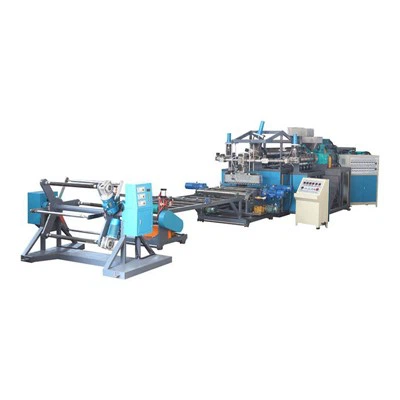
Hey there! As a supplier in the TPE extrusion game, I've picked up a bunch of tips and tricks over the years. TPE, or Thermoplastic Elastomer, is a super versatile material. It combines the rubber-like properties we love with the easy processing of thermoplastics. So, let's dive into the best practices for TPE extrusion.
1. Material Selection
First things first, choosing the right TPE material is crucial. There are different types of TPEs out there, like Styrenic Block Copolymers (SBC), Thermoplastic Polyolefin Elastomers (TPO), and Thermoplastic Vulcanizates (TPV). Each has its own unique set of properties.
For instance, if you're aiming for something soft and flexible, SBCs might be your go-to. They're great for applications like overmolding on hard plastics. On the other hand, TPOs are known for their chemical resistance and good weatherability, making them ideal for outdoor applications. And TPVs offer excellent oil and heat resistance, so they're often used in automotive parts.
When selecting a TPE material, consider the end-use requirements. Look at factors like temperature range, chemical exposure, and mechanical properties. It's also important to work closely with your material supplier. They can provide technical data and samples to help you make the right choice.
2. Drying the TPE Material
Moisture can be a real problem in TPE extrusion. It can cause bubbles, surface defects, and reduced mechanical properties in the final product. So, proper drying of the TPE material is a must.
Most TPEs don't require extensive drying like some other plastics. However, if the material has been stored in a humid environment or you're using a hygroscopic grade, it's a good idea to dry it. A desiccant dryer is usually the best option. Set the drying temperature and time according to the manufacturer's recommendations.
For example, some TPEs might need to be dried at around 80 - 100°C for 2 - 4 hours. Make sure to monitor the moisture content during the drying process. You can use a moisture meter to check if the material has reached the desired moisture level.
3. Extruder Setup
Now, let's talk about setting up the extruder. The right extruder setup can make a huge difference in the quality of your TPE extrusion.
Screw Design
The screw design is one of the most important aspects. It affects the melting, mixing, and conveying of the TPE material. A screw with a proper compression ratio is essential. For TPE extrusion, a compression ratio of around 2.5:1 to 3.5:1 is often recommended.
The screw should also have good mixing elements. These help to ensure uniform melting and blending of the TPE. Some screws have special mixing sections, like Maddock mixing sections, which can improve the mixing efficiency.
Barrel Temperature
Controlling the barrel temperature is crucial. Different zones of the barrel need to be set at the right temperatures to ensure proper melting and flow of the TPE.
The temperature profile should start with a lower temperature at the feed zone to prevent the material from sticking and choking the screw. As the material moves towards the metering zone, the temperature should gradually increase to ensure complete melting.
For example, for a typical TPE, the feed zone might be set at around 150 - 170°C, the transition zone at 170 - 190°C, and the metering zone at 190 - 210°C. But these temperatures can vary depending on the specific TPE grade and the extruder setup.
Die Design
The die is where the final shape of the TPE product is formed. A well-designed die is essential for getting a high-quality extruded product.
The die should have a smooth internal surface to minimize friction and prevent material buildup. The flow channels in the die should be designed to ensure uniform flow of the TPE. This helps to avoid issues like uneven wall thickness and surface defects.
If you're interested in specific extruders for TPE applications, check out our TPE Automobile Floor Mat Extruder and Mat Extruder. These machines are designed to meet the specific requirements of TPE extrusion.
4. Processing Parameters
Once the extruder is set up, it's time to focus on the processing parameters.


Screw Speed
The screw speed affects the output rate and the quality of the extruded product. A too-high screw speed can cause excessive shear heating, which can degrade the TPE material. On the other hand, a too-low screw speed can result in poor mixing and low output.
You need to find the right balance. Start with a relatively low screw speed and gradually increase it while monitoring the quality of the extruded product. Look for signs like surface smoothness, dimensional accuracy, and mechanical properties.
Back Pressure
Back pressure is the resistance that the material encounters as it flows through the extruder. It helps to improve mixing and melt quality. However, too much back pressure can increase the temperature and cause stress on the extruder components.
A moderate back pressure is usually recommended. You can adjust the back pressure by changing the die opening or using a pressure regulator.
Cooling
Proper cooling is essential to solidify the extruded TPE product and maintain its shape. The cooling rate should be controlled to prevent internal stresses and warping.
Water cooling is a common method for TPE extrusion. You can use a water bath or a cooling tank. Make sure the water temperature is set at the right level. A too-cold water temperature can cause the outer layer of the product to solidify too quickly, leading to surface defects.
5. Quality Control
Throughout the TPE extrusion process, quality control is key. You need to monitor the quality of the extruded product at different stages.
Dimensional Accuracy
Check the dimensions of the extruded product regularly. Use measuring tools like calipers and micrometers to ensure that the product meets the specified tolerances. Any deviations in dimensions can affect the fit and performance of the final product.
Surface Quality
Inspect the surface of the extruded product for defects like bubbles, scratches, and unevenness. A smooth and defect-free surface is important, especially for applications where appearance matters.
Mechanical Properties
Test the mechanical properties of the extruded product, such as tensile strength, elongation at break, and hardness. These properties can give you an idea of the product's performance and durability.
If you want to learn more about TPE extrusion, visit our TPE Extrusion page for detailed information.
Conclusion
So, there you have it – the best practices for TPE extrusion. By following these tips, you can ensure a smooth and efficient extrusion process and get high-quality TPE products.
If you're in the market for TPE extrusion products or have any questions about our extrusion services, don't hesitate to reach out. We're here to provide you with the best solutions for your TPE extrusion needs. Let's start a conversation and see how we can work together to bring your ideas to life.
References
- "Handbook of Thermoplastic Elastomers" by Bhupendra K. Patel
- "Extrusion: The Definitive Processing Guide and Handbook" by Christopher Rauwendaal