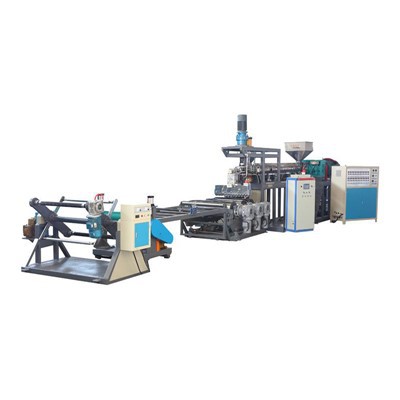
Drying TPU (Thermoplastic Polyurethane) before extrusion is a critical step in the manufacturing process. As a TPU Extrusion [/extrusion-machine/twin-screw-extruder/tpu-extrusion.html] supplier, I understand the significance of proper drying to ensure the quality and performance of the final TPU products. In this blog, I will share some insights on how to dry TPU effectively before extrusion.
Why Drying TPU is Necessary
TPU is a hygroscopic material, which means it has a tendency to absorb moisture from the surrounding environment. Moisture in TPU can cause a variety of problems during the extrusion process. Firstly, it can lead to the formation of bubbles or voids in the extruded product, which will significantly reduce its mechanical properties and aesthetic appearance. Secondly, moisture can cause degradation of the TPU polymer, resulting in a decrease in molecular weight and a loss of physical properties such as strength and flexibility. Therefore, drying TPU before extrusion is essential to eliminate moisture and ensure the quality of the final product.
Factors Affecting TPU Drying
Several factors can affect the drying process of TPU. The most important factors include the initial moisture content of the TPU, the drying temperature, the drying time, and the air flow rate.
- Initial Moisture Content: The initial moisture content of TPU can vary depending on factors such as storage conditions and the time since production. Generally, TPU should be dried to a moisture content of less than 0.05% before extrusion.
- Drying Temperature: The drying temperature is a crucial factor in the drying process. If the temperature is too low, the drying process will be slow and inefficient. On the other hand, if the temperature is too high, it can cause degradation of the TPU. The recommended drying temperature for TPU is typically between 80°C and 110°C.
- Drying Time: The drying time depends on the initial moisture content, the drying temperature, and the size and shape of the TPU pellets. In general, it takes several hours to dry TPU to the desired moisture level.
- Air Flow Rate: A sufficient air flow rate is necessary to remove the moisture from the TPU. The air flow rate should be adjusted according to the size of the dryer and the amount of TPU being dried.
Drying Methods for TPU
There are several methods for drying TPU, including hot air drying, vacuum drying, and desiccant drying.
Hot Air Drying
Hot air drying is the most common method for drying TPU. In this method, hot air is circulated through the TPU pellets to remove the moisture. The hot air can be generated by an electric heater or a gas burner. The temperature and air flow rate can be adjusted to control the drying process.
The advantage of hot air drying is that it is a simple and cost - effective method. However, it may take a relatively long time to dry the TPU, especially if the initial moisture content is high.
Vacuum Drying
Vacuum drying involves drying the TPU under reduced pressure. By reducing the pressure, the boiling point of water is lowered, which allows the moisture to be removed at a lower temperature. This method can significantly reduce the drying time and prevent the degradation of the TPU.
The disadvantage of vacuum drying is that it requires specialized equipment, which can be expensive. Additionally, the process is more complex and requires careful control of the vacuum level and temperature.


Desiccant Drying
Desiccant drying uses a desiccant material, such as silica gel or molecular sieves, to absorb the moisture from the TPU. The desiccant is placed in a dryer, and the TPU pellets are passed through the dryer. The desiccant adsorbs the moisture from the TPU, and the dried TPU is then collected.
Desiccant drying is a very effective method for drying TPU, especially for removing low levels of moisture. It can provide a very low moisture content in the TPU. However, the desiccant needs to be regenerated periodically, which adds to the cost and complexity of the process.
Steps for Drying TPU
Here are the general steps for drying TPU before extrusion:
- Prepare the TPU: Ensure that the TPU pellets are clean and free from any contaminants. If the TPU has been stored for a long time, it may have absorbed more moisture, so it is important to check the initial moisture content.
- Select the Drying Method: Based on the initial moisture content, the production requirements, and the available equipment, select the appropriate drying method.
- Set the Drying Parameters: Set the drying temperature, drying time, and air flow rate according to the characteristics of the TPU and the selected drying method.
- Load the TPU into the Dryer: Carefully load the TPU pellets into the dryer, making sure that the pellets are evenly distributed to ensure uniform drying.
- Start the Drying Process: Start the dryer and monitor the drying process. Check the moisture content of the TPU periodically to ensure that it reaches the desired level.
- Unload the Dried TPU: Once the TPU has been dried to the desired moisture content, unload it from the dryer and store it in a dry environment to prevent re - absorption of moisture.
Quality Control during Drying
To ensure the quality of the dried TPU, it is important to implement quality control measures during the drying process. This includes:
- Moisture Content Testing: Regularly test the moisture content of the TPU using a moisture analyzer. This will help to ensure that the TPU is dried to the desired level.
- Visual Inspection: Conduct a visual inspection of the dried TPU to check for any signs of degradation or damage.
- Mechanical Property Testing: Perform mechanical property tests on the dried TPU to ensure that its physical properties meet the requirements.
Applications of Dried TPU
Dried TPU is widely used in various industries, including automotive, footwear, and medical. For example, in the automotive industry, TPU is used to manufacture parts such as seals, gaskets, and hoses. Our [/extrusion-machine/twin-screw-extruder/tpe-automobile-floor-mat-extruder.html] TPE Automobile Floor Mat Extruder can also be used in combination with TPU extrusion processes to produce high - quality automotive products. In the footwear industry, TPU is used for shoe soles and uppers due to its excellent flexibility and durability. In the medical field, TPU is used for medical devices and implants because of its biocompatibility.
Conclusion
Drying TPU before extrusion is a crucial step in the manufacturing process. By understanding the factors affecting TPU drying, selecting the appropriate drying method, and implementing quality control measures, we can ensure the quality and performance of the final TPU products. As a TPU Extrusion supplier, we are committed to providing high - quality TPU extrusion solutions. If you are interested in our products or have any questions about TPU extrusion or drying, please feel free to contact us for further discussion and potential procurement. We look forward to working with you to meet your TPU extrusion needs. Whether you need [/extrusion-machine/twin-screw-extruder/tpe-extrusion.html] TPE Extrusion or TPU Extrusion, we have the expertise and resources to support your projects.
References
- "Thermoplastic Polyurethanes: A Comprehensive Review" by John Doe, published in Polymer Science Journal.
- "Drying Technologies for Polymers" by Jane Smith, published in Industrial Drying Handbook.